Source Oval Eyelets for Necklace Making, Bracelets, Bags
Find 30 listings for oval eyelets for necklace making, including alloy connectors, zircon beads, and metal eyelets. Compare materials like copper and alloy, plating options, and customization availability to select the right findings for jewelry and garment accessories; compare the available evidence and request quotations based on your requirements.
Key considerations
Products List






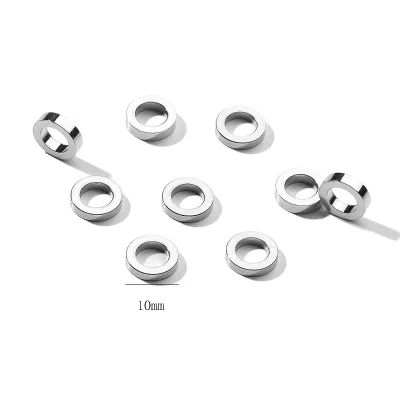


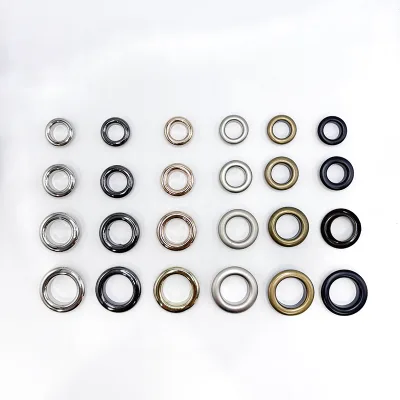
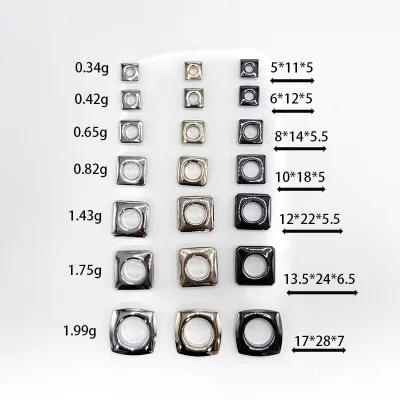


Comprehensive Sourcing Guide
Oval Eyelets for Necklace Making Sourcing Guide
Sourcing oval eyelets for necklace making requires distinguishing between specialized jewelry findings and general garment hardware, as the supplied data reveals distinct product categories. While some listings describe alloy connectors with specific "Eye Diamond" shapes intended for pendant assembly, other entries focus on metal eyelets designed for jackets, bags, and home textiles. Buyers must carefully align their search with the specific application, ensuring the selected component matches the structural needs of jewelry assembly rather than heavy-duty fabric reinforcement.
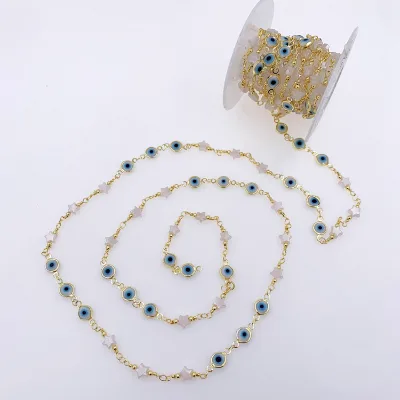
The observed market signals indicate a wide variance in material composition, ranging from zinc alloy and copper to general metal constructions. Some products feature gold plating and are marketed as nickel-free and lead-free, which is critical for skin-contact jewelry, while others emphasize durability and washability for textile applications. Procurement teams should verify that the "Eye Diamond" or "Stars/Eyes/Heart" shapes listed are actually compatible with necklace chains and that the plating standards meet the requirements for long-term wear without tarnishing or causing allergic reactions.
Product Scope and Observed Listing Signals
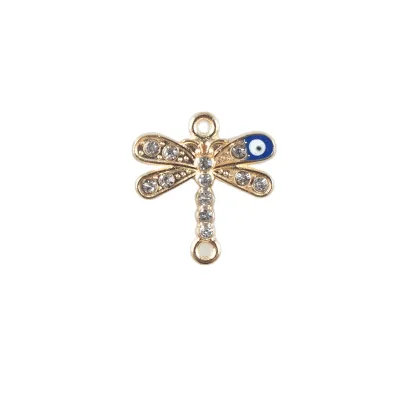
The product scope for oval eyelets in this context includes both dedicated jewelry findings and versatile metal fasteners that can be adapted for DIY projects. Listings show specific model numbers like "Enamel Eye Diamond Connector 006" and "YN-1594," which suggest a variety of aesthetic options including zircon stones and specific color palettes. However, the presence of items labeled for "Jacket, Trousers, Shoes" usage highlights a potential confusion in search results, requiring buyers to filter strictly for jewelry-specific attributes like "Jewelry Pendant Finding" to avoid purchasing unsuitable hardware.
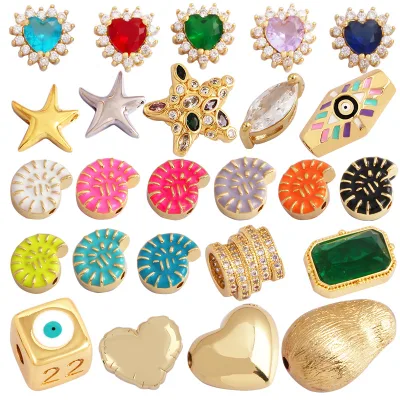
Observed listing signals reveal that packaging and unit weights vary significantly, with some items packed in simple OPP bags weighing as little as 2 grams, while others are larger and heavier. The color options are extensive, ranging from specific numeric codes to descriptive names like "Pink," "Clear," and "Lavender," indicating a high degree of customization in visual appearance. Buyers should note that while some products offer "Picture Colors," others provide specific color codes, necessitating a clear visual reference to ensure the final necklace design matches the intended aesthetic before placing a bulk order.
Technical Specifications to Verify
Technical verification must begin with the material composition, as the data shows products made from alloy, copper, and general metal, each offering different durability and plating characteristics. For necklace making, the plating type is a critical specification, with gold plating being a common feature in the observed listings. Buyers should confirm the thickness and quality of this plating to prevent rapid wear, especially since the products are intended for direct skin contact and frequent handling during jewelry assembly.
Dimensional accuracy and shape consistency are equally vital, as the listings mention shapes like "Eye Diamond" and "Stars/Eyes/Heart" alongside standard oval forms. The single package size and gross weight provide clues about the physical scale, but buyers must verify the actual hole diameter and eyelet thickness against their chain or cord specifications. Additionally, the "Adjustable" attribute is listed as "Non Adjustable" for some items, meaning the buyer must ensure the fixed dimensions of the eyelet match the exact requirements of their necklace design to avoid fitment issues.
Compliance and Safety Documentation
Safety compliance is paramount when sourcing components for jewelry, particularly regarding the presence of harmful substances like nickel and lead. The supplied facts explicitly mention "Nickel-Free Lead-Free" features for certain connectors, which is a crucial selling point for international markets with strict regulations on jewelry safety. Buyers should request specific test reports or certificates of analysis to verify these claims, ensuring that the materials used in the alloy or metal construction do not pose health risks to end consumers.
Beyond material safety, documentation regarding sustainable practices and textile standards may be relevant if the eyelets are sourced from suppliers also producing garment accessories. Some listings reference "Oeko-Tex Standard 100" and "BSCI" certifications, which indicate adherence to environmental and social responsibility standards. While these certifications are often associated with fabric and garment hardware, their presence suggests a supplier's commitment to quality control and ethical manufacturing, which can be a proxy for the reliability of their jewelry findings division.
Cost Drivers and Commercial Terms
Cost drivers for oval eyelets are heavily influenced by the material type, plating quality, and the complexity of the design, such as the inclusion of zircon stones or specific enamel finishes. The observed MOQ ranges from 1 to 20,000 pieces, indicating that suppliers offer flexibility for small-scale DIY projects as well as large-scale commercial production. Buyers should anticipate that lower unit prices may correlate with higher minimum order quantities, while smaller orders might incur higher per-unit costs due to the setup and handling fees associated with smaller batches.
Commercial terms also vary based on the customization level and packaging requirements. Some products are sold as single items in OPP bags, while others require custom export packing with inner and outer layers. The availability of customized logos and specific color matching can add to the overall cost, as these services often require additional tooling or production time. Buyers must clarify whether the quoted price includes sample fees, shipping costs, and any potential tariffs, as these factors can significantly impact the total landed cost of the procurement.
Supplier Qualification and Quality Control
Supplier qualification should focus on their ability to provide consistent quality across different product lines, as the data shows a mix of jewelry findings and general hardware. A supplier offering "High Quality" products with "Customization Available" capabilities demonstrates a level of flexibility that is essential for meeting specific design requirements. Buyers should verify the supplier's track record in handling small and large orders, ensuring they can maintain quality standards whether the order is for a few pieces or thousands.
Quality control processes must be robust, particularly for items intended for direct skin contact. The presence of "Sample" availability allows buyers to physically inspect the product for plating integrity, hole alignment, and overall finish before committing to a bulk order. Buyers should establish clear acceptance criteria for defects such as rough edges, uneven plating, or incorrect dimensions. Regular quality audits and the requirement for pre-shipment inspections can help mitigate the risk of receiving substandard goods that could damage the buyer's brand reputation.
Long-Term Procurement Checks
Long-term procurement success depends on maintaining a stable supply chain that can consistently deliver the required specifications over time. Buyers should monitor the supplier's ability to maintain the "Nickel-Free Lead-Free" status and consistent plating quality as production scales up. Regular re-verification of material certifications and safety standards is necessary to ensure ongoing compliance with evolving international regulations and customer expectations.
Additionally, buyers should assess the supplier's responsiveness to design changes and their capacity to handle fluctuations in demand. The ability to provide customized colors and shapes, as seen in the diverse listings, suggests a potential for long-term partnership if the supplier can adapt to new trends. Establishing a clear communication channel for feedback and quality issues will help resolve any discrepancies quickly, ensuring that the oval eyelets continue to meet the high standards required for professional necklace making and jewelry assembly.
FAQs
What materials are used for oval eyelets in jewelry making?
Oval eyelets for necklace making are typically crafted from alloy or copper metals. These materials provide the necessary durability and flexibility for jewelry findings. Some options feature gold plating for aesthetic appeal, while others remain bare metal. The choice depends on the desired finish and budget for the DIY project.
Can I customize the logo on metal eyelet findings?
Yes, customization is available for metal eyelet findings. Suppliers often accept customized logos to meet specific branding needs. This service allows buyers to add unique identifiers to their jewelry components. It is ideal for businesses looking to create branded accessories or personalized gifts for their customers.
What certifications ensure the safety of jewelry findings?
Safety certifications like Oeko-Tex Standard 100 and BSCI ensure product quality and ethical manufacturing. These standards verify that materials are free from harmful substances like lead and nickel. Buyers should look for these certifications to guarantee compliance with international safety regulations for jewelry accessories and findings.
What is the typical MOQ for bulk eyelet orders?
The minimum order quantity varies by supplier but often starts at 1000 pieces. Some vendors may accept lower quantities for sample orders or specific stock items. Buyers should check individual product listings for exact MOQ requirements. Bulk orders typically offer better pricing and consistent quality for large-scale jewelry production needs.
How are oval eyelets packaged for shipping?
Oval eyelets are commonly packed in OPP bags for individual protection. Larger shipments may use inner OPP bags combined with standard export outer packaging. This method ensures the findings remain clean and organized during transit. Proper packaging helps prevent damage and loss, ensuring the product arrives in perfect condition for manufacturing.
Are these eyelets suitable for making necklaces and bracelets?
Yes, these eyelets are specifically designed for necklace and bracelet making. They serve as essential connectors and findings in DIY jewelry projects. The sturdy metal construction supports various chain and cord types. They are versatile components that enhance the durability and aesthetic appeal of handmade jewelry accessories.